All Categories
Featured
Table of Contents
- – The Brainless CMS Revolution No One Discuss
- – What AI-Powered Really Method (Versus Adverti...
- – E-Commerce Past Shopify Templates
- – List Building Sites That Don't Suck
- – Why Agencies Avoid Complicated Constructs
- – The Build vs. Buy Computation
- – What Good Development Agencies Actually Provide
- – The AI Advancement Discovering Curve
- – Making the Right Agency Selection
I have actually been looking at internet advancement agencies for the previous month, and honestly, a lot of them are stuck. They're still pitching WordPress with a premium style, maybe some custom-made CSS if you're lucky, and calling it "" custom-made growth."" Your rivals are delivering sites with AI conversation user interfaces, vibrant content generation, and brainless CMS designs that actually range.
The space in between what's feasible and what the majority of agencies provide has actually never been wider. AI-powered growth isn't almost slapping ChatGPT onto your get in touch with page. It's fundamentally altering exactly how sites obtain constructed, exactly how content obtains taken care of, and what "" custom"" in fact implies in 2025.
The Brainless CMS Revolution No One Discuss
Conventional WordPress or Squarespace arrangements make good sense for basic brochure sites. But the minute you need anything sophisticated-- multi-channel material distribution, custom individual control panels, real-time information integrations-- you hit a wall fast.
Strapi and similar brainless CMS platforms changed the game. Your content stays in one location, easily accessible by means of API, and your frontend can be anything: a React app, a mobile interface, numerous marketing sites drawing from the exact same web content pool. You're not locked into whatever templating system your CMS pressures on you.
The agencies in fact doing this best build the backend and frontend as different worries. Web content editors get tidy, organized user interfaces for handling every little thing. Developers get total liberty to construct whatever customer experience makes sense. Advertising teams can press content to web, mobile, e-mail campaigns, and third-party systems from one resource of reality.
However the majority of companies don't pitch this because it's harder to sell. Clients listen to "" headless CMS"" and their eyes polish over. They intend to see quite mockups, not discussions regarding API styles and material modeling. So companies keep constructing monolithic WordPress websites that'll require complete rebuilds in three years.
What AI-Powered Really Method (Versus Advertising And Marketing Fluff)
Every agency currently declares to build "" AI-powered internet sites."" A lot of them indicate they incorporated an OpenAI API telephone call to a chatbot widget. That's great, but it's not what makes a website really intelligent.
Actual AI integration indicates dynamic web content generation based on user habits, customized UX that adjusts to different site visitor sections, automated lead qualification that routes queries wisely, and all-natural language user interfaces for complex searches or filtering system. It indicates the site gets smarter with time as opposed to being a static pamphlet.
I've seen shopping websites that use AI to create product descriptions, enhance pricing dynamically, and produce individualized bundle suggestions that really convert. List building websites that certify potential customers via conversational user interfaces and route them to the appropriate sales rep automatically. Web content websites that adapt their navigating and referrals based upon just how individuals in fact surf, not just how the designer presumed they would certainly.
The technological implementation matters. Are you simply calling APIs and wishing they remain offered and inexpensive? Or are you building systems that can swap versions, adjust on your data, and break down with dignity when solutions are down? Most firms do the previous since it's easier.
E-Commerce Past Shopify Templates
Shopify works wonderful for uncomplicated retail. Complex B2B ecommerce, registration designs with custom-made billing logic, multi-vendor marketplaces, or inventory systems that sync with real stockroom monitoring-- that's where you need actual custom development.
The firms squashing it in this area improve systems like Strapi or custom Node.js backends, incorporate with whatever repayment processor makes good sense for your business version (not simply Red stripe), and create admin interfaces that match your real workflow as opposed to requiring you into Shopify's assumptions about how business functions.
Custom-made ecommerce advancement costs more ahead of time. Undoubtedly. If you're doing $2M+ in annual earnings and Shopify's restrictions are costing you 15% in conversion price or operational effectiveness, the ROI mathematics changes fast. Shopify's 2.9% + 30 cents per deal also adds up-- customized repayment integration can cut that significantly at scale.
The genuine worth turns up in attributes Shopify can not do: facility B2B prices with customer-specific magazines, quote-to-order operations, integration with tradition ERP systems, customized shipping computations based upon real-time storehouse data. You need designers that recognize both shopping and your specific company logic.
List Building Sites That Don't Suck
A lot of lead generation sites follow the very same worn out playbook: hero section with unclear value prop, three benefits with supply symbols, get in touch with kind that requests too much info, perhaps a rates table. Conversion rates hover around 2% and every person shrugs like that's regular.
Much better agencies construct lead gen websites as real funnels. Different touchdown pages for different traffic sources and intent degrees. Modern profiling that doesn't request for everything upfront. Conversational interfaces that certify leads prior to sending them to sales. Real-time integration with your CRM so leads do not sit in a spread sheet for 2 days.
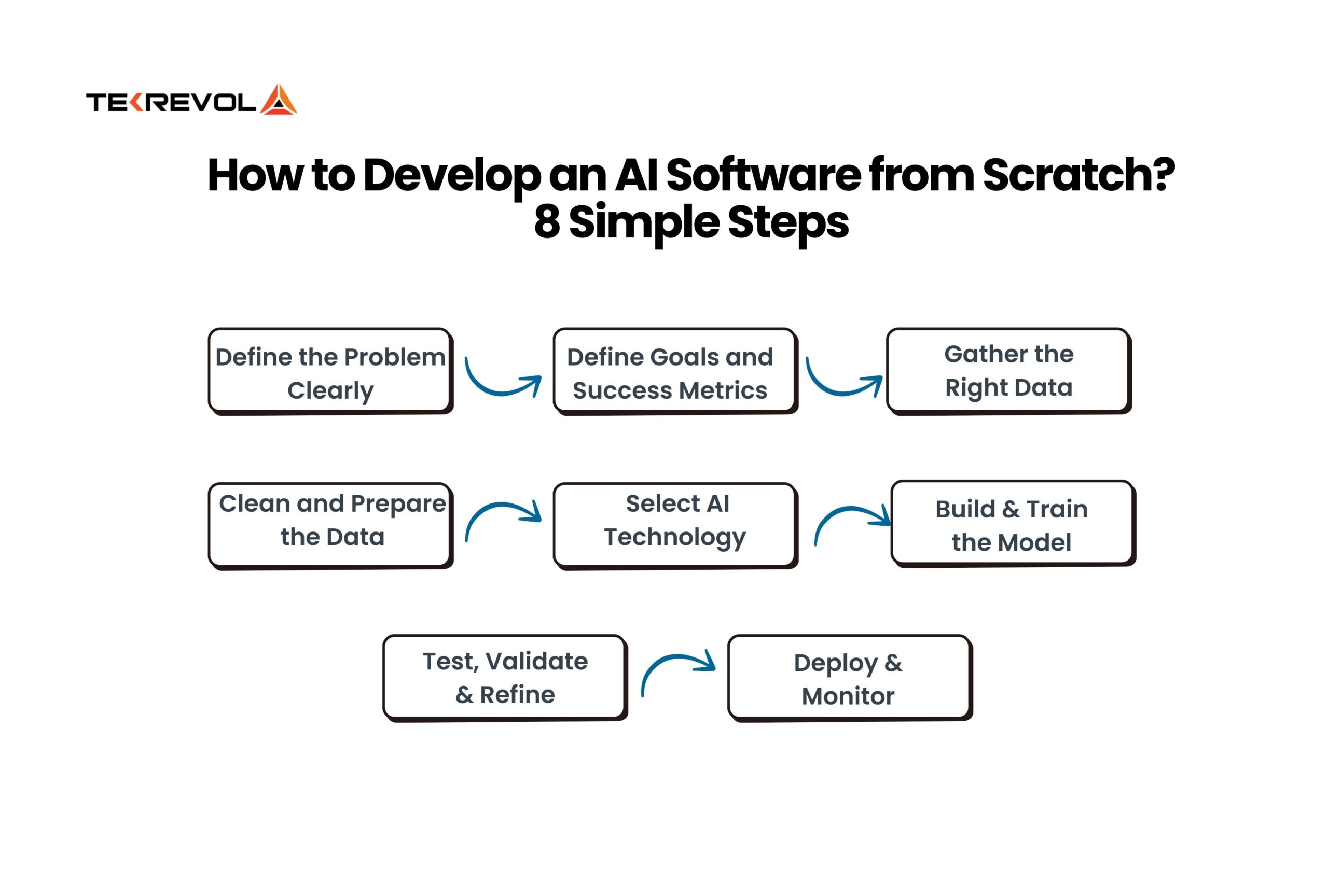
AI changes list building basically. As opposed to fixed types, you can have intelligent discussions that adjust based on actions. Rather than sending every questions to the same inbox, you can route qualified leads automatically. Rather than one-size-fits-all touchdown web pages, you can produce customized web content based upon recommendation source, industry, or company dimension.
The technical pile issues here as well. Websites built on contemporary JavaScript structures load quicker, really feel more receptive, and can do client-side recognition and vibrant content without web page reloads. Customers expect app-like experiences currently, not cumbersome form entries with complete web page freshens.
Why Agencies Avoid Complicated Constructs
Below's the awkward truth: a lot of internet development companies prevent innovative tasks because they're more challenging to range, more challenging to supply profitably, and call for better designers who cost more.
Building a customized Strapi backend with AI assimilations and complicated service reasoning takes elderly designers. You can not offshore it to younger devs following tutorials. You need individuals who comprehend information modeling, API layout, verification systems, and just how to build something that won't break down when web traffic scales.
Agencies optimized for volume would certainly rather crank out 10 $15k WordPress websites than one $150k custom build. The margins look better, the timelines are predictable, and they can use more affordable resources. But if you need something innovative, you're wasting time and money trying to compel it into their template-based procedure.
The Build vs. Buy Computation
For uncomplicated needs, SaaS systems make overall sense. Don't build a custom-made blog site when Ghost or WordPress does it fine. Don't build personalized e-commerce when Shopify benefits your design. Do not build a personalized CRM when HubSpot or Salesforce exists.
But the minute you need something specific to your company design, the computation flips. Paying $500/month for a SaaS that does 70% of what you need, after that spending another $2k/month on workarounds and assimilations-- that's usually more expensive long-term than building specifically what you need when.
Personalized advancement makes sense when your company has one-of-a-kind workflows that are affordable benefits, when combination needs are complicated enough that middleware costs accumulate, when you're scaling fast and SaaS prices ends up being excruciating, or when you need to have your information and facilities totally.
What Good Development Agencies Actually Provide
The companies doing this right do not just write code. They begin with discovery to understand your actual business issues, not simply what you believe you require practically. They record whatever effectively so you're not secured forever. They build with modern-day heaps that other designers can preserve. They set up staging settings and implementation pipelines so updates don't damage manufacturing.
They're likewise sincere regarding timelines. Personalized advancement takes longer than templated builds. An innovative ecommerce system may be 3-6 months, not 6 weeks. AI assimilations need time for testing and improvement. Any individual appealing facility develops in impractical timeframes is either existing or intending to deliver rubbish.
Great companies additionally plan for upkeep from day one. Customized websites require updates, security patches, reliance upgrades, and occasional feature additions. They established tracking, error tracking, and backup systems. They document their code so your next developer does not need to reverse-engineer everything.
The AI Advancement Discovering Curve
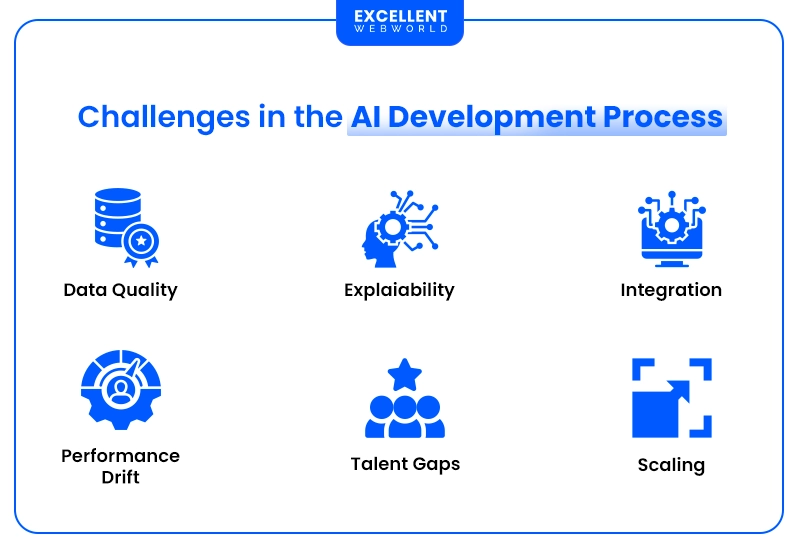
Building AI-powered sites in 2025 requires continuously discovering brand-new devices and strategies. Models boost every few months. New APIs launch. Best practices advance. Agencies that got comfy with their tech pile in 2020 are currently behind.
This shows up in proposition details. Are they talking concerning certain designs and use cases, or just vague guarantees concerning "" AI integration""? Do they recognize token limitations, latency considerations, and price monitoring? Have they built this before, or are they intending to figure it out on your dime?
The most effective companies treat AI as infrastructure, not attributes. They develop systems where you can exchange versions, change parameters, and repeat on prompts without code adjustments. They intend for circumstances where APIs are slow or not available. They consider prices at scale, not just the demo.
Making the Right Agency Selection
Selecting an internet development agency isn't about locating the most affordable alternative or the one with the prettiest portfolio. It has to do with discovering people who have actually developed what you're trying to construct, recognize your technical needs deeply, and can provide something that ranges with your business.
Ask regarding their technology pile and why they selected it. Ask to talk with previous customers with similar intricacy. Ask just how they manage ongoing upkeep and updates. Ask regarding their development procedure, screening method, and how they manage scope changes.
The agencies worth hiring will ask you uneasy concerns regarding your organization design, customer operations, and technological restrictions before recommending remedies. They'll press back on bad concepts and suggest options. They'll be honest concerning what's hard and what's impossible.
If a firm assures every little thing is easy and fast, run. Customized growth is neither. But done right, with individuals who recognize what they're doing, it's the difference between an internet site that's a cost center and one that's in fact a growth engine.

Table of Contents
- – The Brainless CMS Revolution No One Discuss
- – What AI-Powered Really Method (Versus Adverti...
- – E-Commerce Past Shopify Templates
- – List Building Sites That Don't Suck
- – Why Agencies Avoid Complicated Constructs
- – The Build vs. Buy Computation
- – What Good Development Agencies Actually Provide
- – The AI Advancement Discovering Curve
- – Making the Right Agency Selection
Latest Posts
The Real Financial Picture
How Cross-Platform Design Influences Conversion Rates
Creating Unique Customer Interactions using Tailored Platform Creation
More
Latest Posts
The Real Financial Picture
How Cross-Platform Design Influences Conversion Rates
Creating Unique Customer Interactions using Tailored Platform Creation